June 23, 2026
Hidden leaks within a residential or commercial plumbing system can cause catastrophic property damage, structural rot, and hazardous mold growth if they are not identified and repaired promptly. Over the years, professional plumbing companies have developed a sophisticated array of diagnostic methods and non-invasive technologies to effectively detect these subsurface leaks, even when they are buried deep beneath concrete slabs or hidden behind finished drywall.
This article explores the cutting-edge techniques, specialized acoustic tools, and advanced thermal imaging equipment used by modern professionals to uncover hidden water anomalies. By understanding how these hidden vulnerabilities are successfully mapped and resolved, property owners can take proactive measures to ensure the structural longevity, physical safety, and operational efficiency of their entire plumbing infrastructure.
Understanding the Biological and Auditory Signs of a Hidden Leak
Hidden leaks often reveal themselves through subtle, localized warning signs that may seem trivial to an untrained property owner at first glance. Unexplained, month-over-month increases in utility bills are one of the clearest economic indicators that pressurized water is actively escaping somewhere out of sight. This hidden systemic failure results in homeowners paying for thousands of gallons of municipal water that never actually makes it to a usable tap.
According to This Old House, the average home leaks about 10,000 gallons of water each year. This staggering statistic demonstrates the critical necessity of addressing even minor anomalies in daily water usage before they warp framing materials.
Another common indication of an active, subterranean breach is the development of persistent, musty odors in localized areas where standing water is not typically present. These stale scents suggest that wood-boring pests, mildew, or toxic black mold colonies are forming due to chronic moisture accumulation unseen inside insulated wall cavities or beneath hardwood flooring matrices. Furthermore, sagging drywall, peeling wallpaper, warped baseboards, and unexplained discolored ceiling stains signify advanced moisture penetration.
Traditional Leak Detection Methods and Initial Assessments
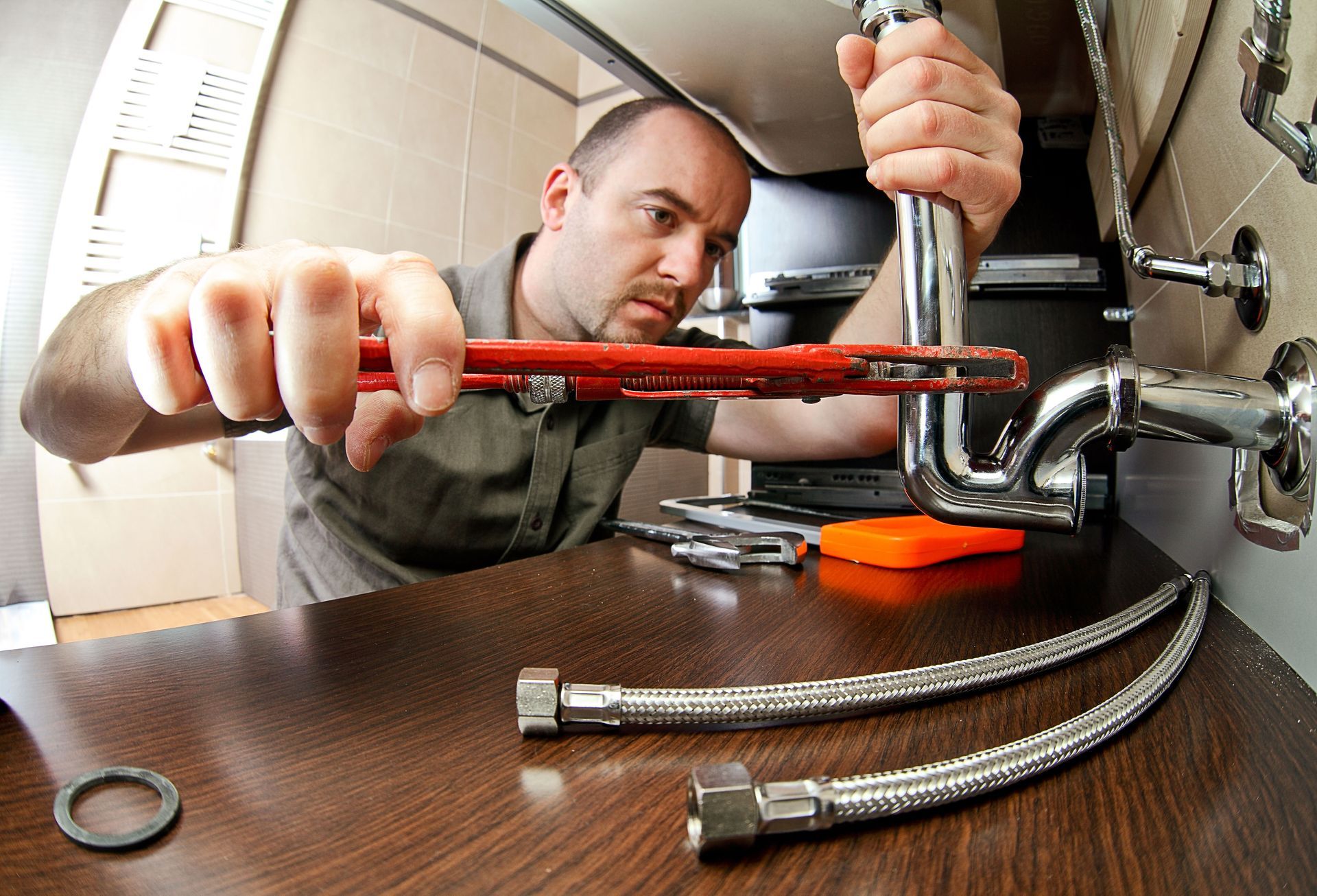
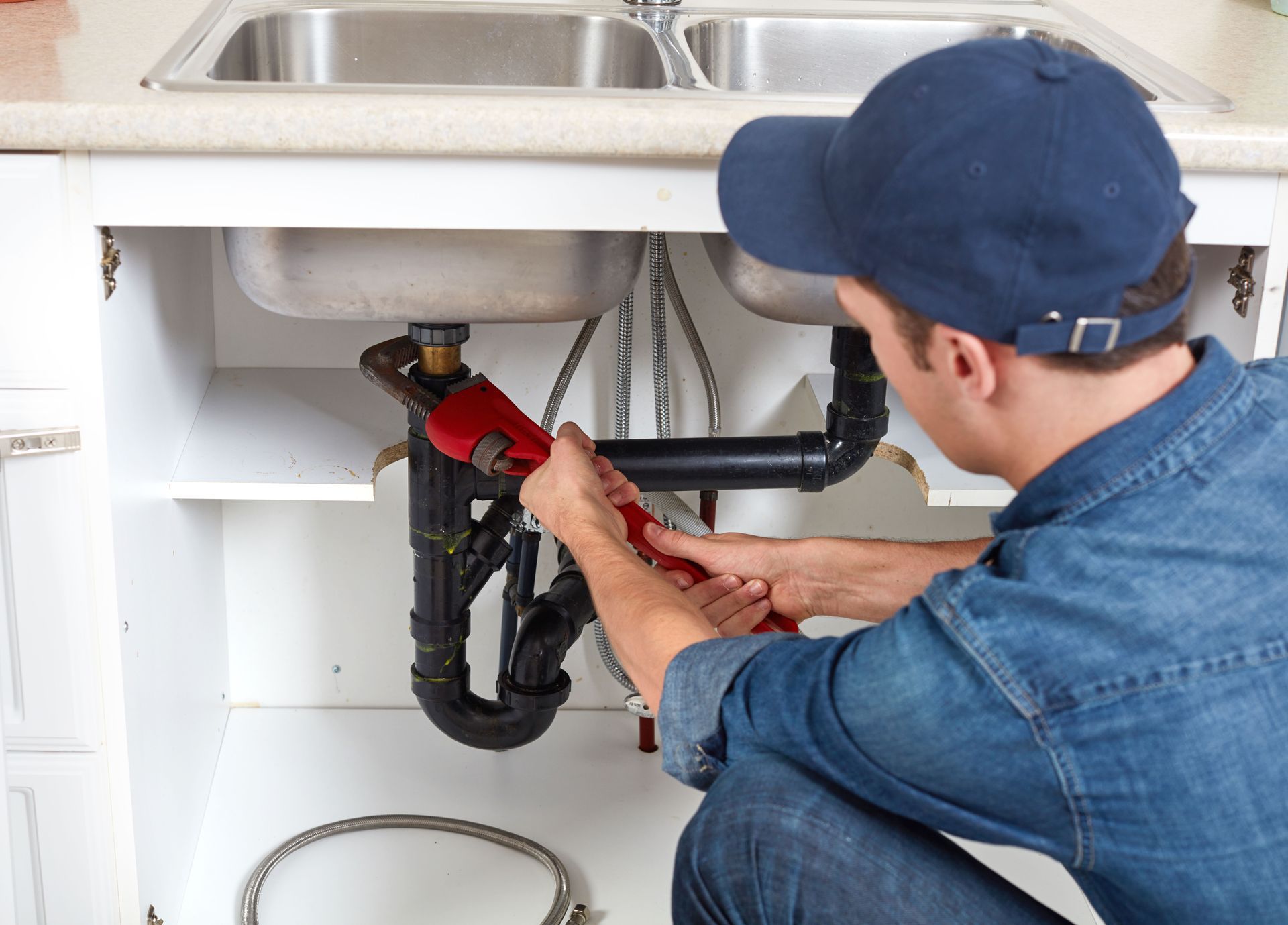
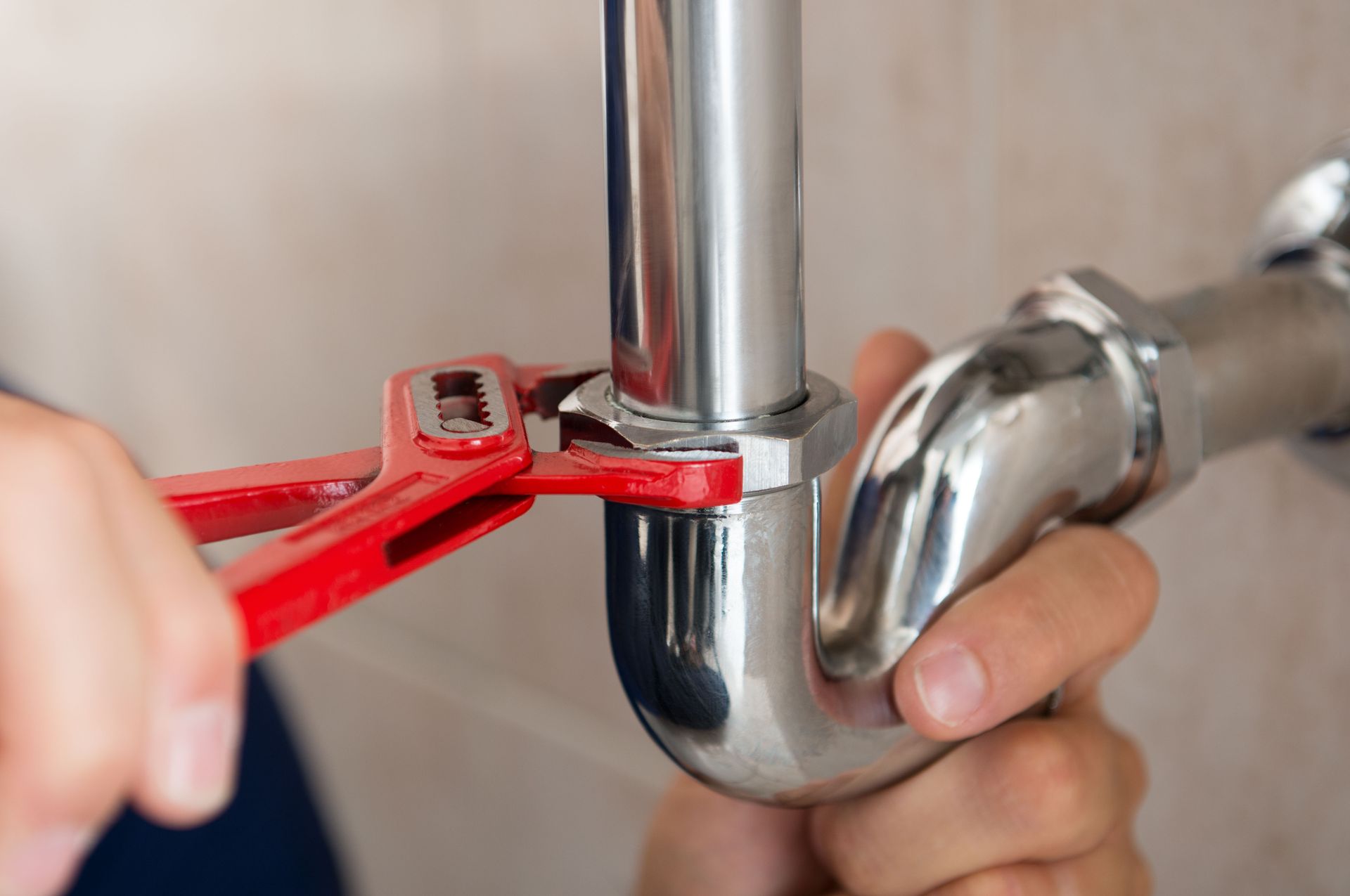
Experienced professionals from reputable plumbing companies traditionally begin their diagnostic process by deploying a series of time-tested, manual inspection techniques to narrow down the leak's generalized zone. Visual inspections remain the initial line of defense, during which an expert technician meticulously examines exposed pipe joints, water heater connections, valve manifolds, and crawlspaces for signs of active calcification or surface corrosion. This direct, hands-on methodology allows the technician to evaluate the property’s overall structural age, pipe material composition, and baseline system pressure.
Following the initial visual evaluation, technicians utilize structural pressure testing to scientifically confirm systemic integrity. By temporarily isolating specific sections of the freshwater supply line using specialized shut-off plugs and monitoring changes via a calibrated mechanical pressure gauge, plumbers can quickly determine if an isolated line segment is losing pressure.
Advanced Technological Solutions and Non-Invasive Mapping
When traditional diagnostic steps confirm a pressurized drop, modern plumbing companies transition to advanced technological solutions to pinpoint the exact point of structural failure without tearing down finished plaster or tile. Infrared thermography is a premier, completely non-invasive technique that permits technicians to visualize hidden moisture patterns behind solid surfaces. By deploying highly sensitive thermal imaging cameras, plumbing specialists can map subtle surface temperature differentials caused by escaping water.
Because leaking water naturally cools the surrounding structural materials through evaporation and thermal transfer, the camera displays these damp zones as distinct, dark-blue or purple thermal anomalies, creating a real-time visual map of the hidden moisture plume.
Acoustic and ultrasonic leak detectors represent another massive leap forward in modern diagnostic capabilities. When water escapes a pressurized pipe, it generates distinct, high-frequency mechanical vibrations and distinct hissing sounds as it forces its way through a structural crack or loose fitting. Specialized acoustic equipment utilizes highly sensitive ground microphones and frequency amplifiers to listen through several feet of solid concrete, soil, or subflooring.
The Specialized Role of Electronic Video Pipe Inspection
For complex drainage networks, sewer mains, and under-slab waste lines, electronic video pipe inspection serves as an invaluable diagnostic asset for modern plumbing companies. This process involves inserting a high-resolution, waterproof digital camera attached to a rigid, highly flexible fiber-optic push cable directly into an accessible cleanout valve or drain opening. As the push cable navigates through the internal bends and offsets of the subterranean pipeline network, it transmits a real-time, high-definition video feed to an external monitor viewed by the technician.
This internal visual perspective allows plumbing specialists to definitively identify hidden structural anomalies, including internal pipe corrosion, offset joints, low spots, and aggressive tree root intrusions that are impossible to diagnose from an external viewpoint. Furthermore, these micro-cameras are equipped with internal radio frequency transmitters.
Once an internal fracture or blockage is visually identified on the monitor, the technician can utilize an external handheld wand locator above ground to trace the exact depth and physical coordinate of the camera head, ensuring that any subsequent excavation work is restricted to a small, highly targeted repair zone.
Environmental and Macro-Financial Impacts of Undetected Leaks
The long-term environmental and financial ramifications of leaving minor plumbing system breaches unresolved are extraordinarily severe for both individual property owners and local municipal infrastructures. On an environmental level, chronic residential water loss places a direct, unnecessary strain on local aquifers, lowering regional water tables and depleting critical natural resources. Furthermore, treating, filtering, and pressurizing public tap water is an energy-intensive industrial process; therefore, losing thousands of gallons of processed water directly translates to higher carbon emissions and inflated municipal power consumption.
Remediating widespread structural water damage, restoring buckled hardwood floors, and hiring specialized environmental crews to eradicate toxic black mold infestations can cost thousands of dollars, completely eclipsing the minor upfront cost of hiring licensed plumbing companies to perform a timely electronic inspection.
Proactive Preventive Measures and Maintenance Frameworks
Implementing a consistent, proactive maintenance strategy is the most effective method for homeowners to safeguard their assets and prevent catastrophic plumbing failures. Property owners should make a habit of verifying their water meters during periods of zero household activity; if the low-flow indicator wheel continues to rotate when all interior appliances are completely shut down, a hidden line leak is actively occurring. Additionally, older properties featuring outdated galvanized steel or copper piping should be evaluated by professional plumbing companies every few years to monitor for systemic pipe wall thinning.
Upgrading to contemporary smart home technology provides an exceptional secondary layer of permanent operational defense. Modern automated leak defense systems feature inline digital flow sensors that constantly track your home's volumetric water activity.
Successfully locating hidden plumbing leaks requires a structured combination of professional diagnostic experience, traditional pressure testing methods, and advanced electronic mapping technologies. From acoustic sound amplification and thermal imaging to internal fiber-optic video camera inspections, modern plumbing companies possess the specialized equipment necessary to pinpoint subsurface pipeline failures with absolute non-invasive precision. Taking a proactive, educated approach to plumbing health allows property owners to completely avoid catastrophic structural damage, lower their monthly utility expenses, and preserve valuable regional water resources.
When you suspect an underlying leak, notice a sudden drop in water pressure, or observe a mysterious surge in your utility bills, protect your real estate investment by contacting the certified technicians at Major League Plumbing and Home Services. Our experienced professionals utilize state-of-the-art electronic leak detection technology and dependable repair methods to restore the structural safety, absolute efficiency, and long-term reliability of your home’s vital mechanical systems.