June 5, 2026
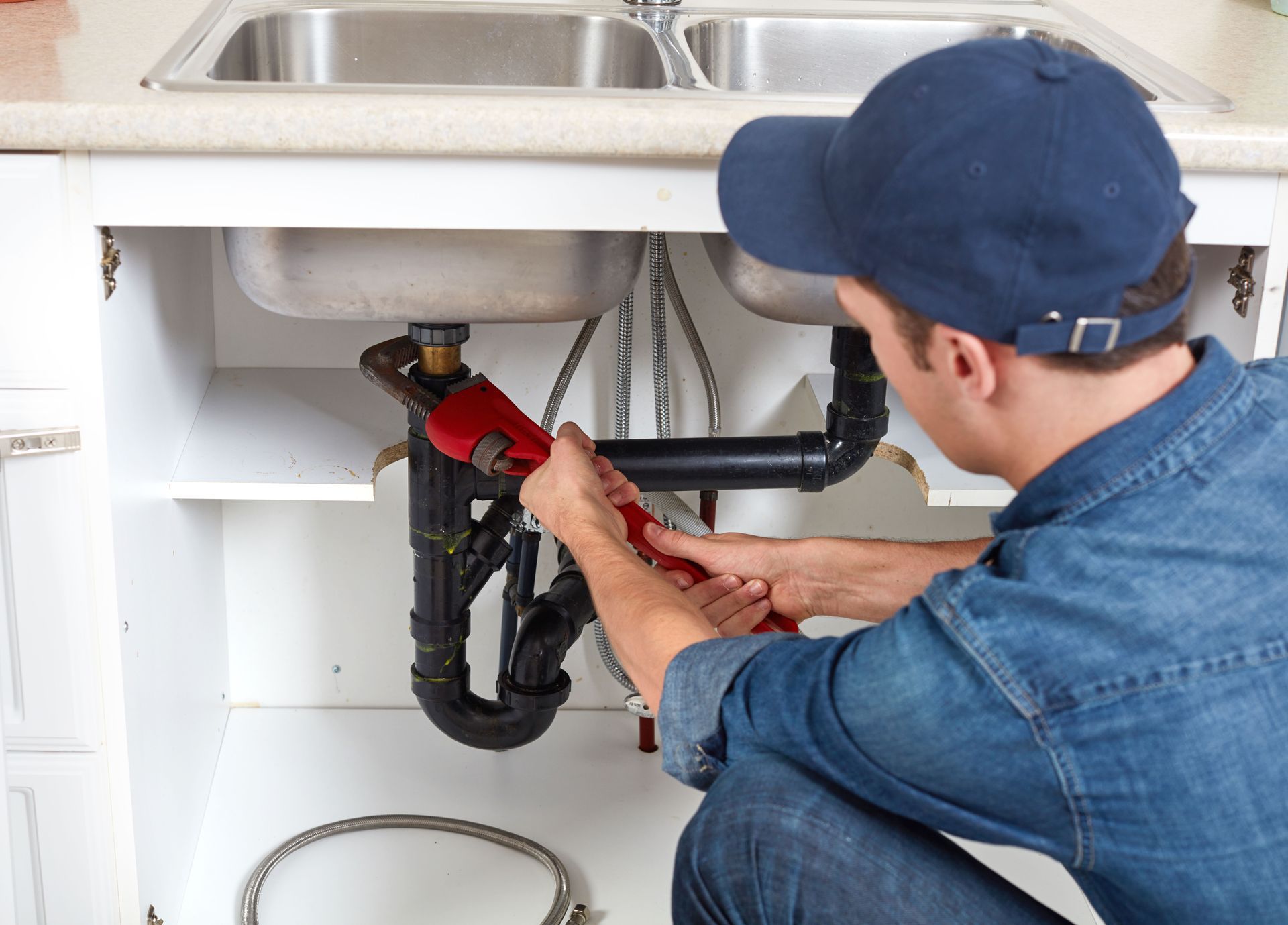
Every homeowner knows the immense satisfaction of a perfectly functioning household, but few give a second thought to the intricate maze of plumbing hiding behind their walls. This complex network works tirelessly day and night to keep our daily routines running smoothly without interruption. Unfortunately, this "out of sight, out of mind" mentality often leads to disastrous consequences that could have been easily avoided. When disaster finally strikes, local plumbers are the unsung heroes who arrive to restore order and sanity to our flooded living spaces.
Identifying What Actually Belongs in Your Pipes
The kitchen sink is undoubtedly one of the most frequently abused fixtures in the modern American home. Many people treat their garbage disposals like invincible trash cans capable of shredding anything that fits down the drain. In reality, these devices are only designed to handle light food residue left over after scraping plates into the actual garbage. Starchy foods like pasta, potato peels, and rice expand when wet, creating massive blockages that stubbornly cling to pipe walls.
Fats, oils, and grease represent the ultimate nemesis for your household drainage infrastructure. While bacon grease might pour down the drain as a harmless liquid, it quickly cools and solidifies as it travels through your underground pipes. This solidified mass acts as a sticky trap for every other piece of debris that flows past it, gradually forming an impenetrable wall. Experienced local plumbers constantly respond to calls where a homeowner's grease-pouring habits have completely choked the main line.
Coffee grounds are another incredibly common culprit that causes significant headaches for unsuspecting homeowners. Because they look so small and harmless, people assume coffee grounds will simply wash away with a good blast of hot water. Instead, they clump together into dense, heavy sludge that settles into the lowest points of your plumbing system. Throwing your morning coffee remnants into the compost bin or trash is a simple habit change that will drastically extend the life of your drains.
Recognizing The Hidden Dangers in Your Bathroom
Moving into the bathroom, the toilet is frequently subjected to inappropriate items that were never meant to be flushed. People mistakenly flush paper towels, cotton swabs, and dental floss under the assumption that the system can handle small items. These materials do not break down in water like standard toilet paper, meaning they remain entirely intact as they travel through your sewer line. Over time, dental floss acts like a net, catching debris and causing massive backups that require professional excavation to resolve.
The marketing surrounding "flushable" wipes is perhaps the most frustrating issue facing the modern plumbing industry today. Despite the claims printed clearly on the packaging, these durable wipes simply do not disintegrate quickly enough to navigate standard residential plumbing. They catch on tiny imperfections inside the pipes, eventually accumulating into massive clumps that completely block the flow of municipal sewage. Local plumbers spend a significant portion of their workweeks extracting these exact wipes from clogged lines across the community.
Shower drains face their own unique set of challenges, primarily driven by the daily accumulation of human and pet hair. When long strands of hair mix with sticky soap scum and body oils, they form dense mats that securely anchor themselves to the drain cover and inner pipe walls. This nasty combination severely restricts water flow, leaving you standing in a slowly rising puddle of dirty water during your morning shower. Installing a simple, inexpensive mesh hair catcher over the drain is the absolute best preventative measure you can take.
Water conservation in the bathroom is another crucial element of maintaining a healthy plumbing system over the long term. Many homeowners fail to realize just how much water flows through this specific room on a daily basis. According to the EPA, toilets account for 30% of indoor water use in the United States. Ensuring your toilet is functioning efficiently without hidden leaks not only saves precious resources but also reduces the constant, unnecessary strain on your entire drainage network.
Protecting Your System From Chemical Drain Cleaners
When faced with a stubborn, slow drain, the average consumer immediately rushes to the hardware store for a bottle of liquid drain cleaner. The commercials make these products seem like a magical, instant cure for whatever is lurking in the dark depths of the sink. Homeowners eagerly pour these toxic concoctions down the drain, hoping to hear the satisfying sound of a cleared blockage. Unfortunately, these highly corrosive chemicals often cause far more harm than good to the internal structure of your pipes.
The active ingredients in commercial drain cleaners work by creating a massive heat reaction designed to melt away organic matter. While this extreme heat might occasionally burn through a minor hair clog, it also aggressively attacks the pipe material itself. Older metal pipes can become severely corroded and weakened, while modern PVC pipes can actually warp or melt from the intense thermal reaction. Trustworthy local plumbers universally advise against using these harsh chemicals because they frequently turn a minor clog into a catastrophic pipe failure.
Another major issue with liquid drain cleaners is that they are rarely as effective as the vibrant marketing campaigns claim. If the chemical mixture fails to dissolve the blockage, you are now left with a sink full of highly toxic, standing water. This creates an incredibly dangerous situation for anyone who eventually has to manually disassemble the plumbing to fix the problem. Repair technicians must be explicitly warned if chemicals have been used, as splashing these acidic liquids can cause severe chemical burns to their skin and eyes.
Scheduling Preventive Maintenance for Your Home
Preventative maintenance is the ultimate key to extending the lifespan of your household plumbing and avoiding panic-inducing weekend emergencies. Most homeowners treat their plumbing with complete passivity, only taking action when water is actively spilling onto their expensive hardwood floors. By shifting to a proactive mindset, you can identify minor irregularities before they evolve into incredibly expensive plumbing disasters. Taking the time to inspect your exposed pipes, listen for strange gurgling noises, and monitor drainage speeds pays massive dividends.
Scheduling routine inspections with knowledgeable local plumbers is one of the smartest investments a property owner can make. These highly trained professionals possess specialized diagnostic equipment, such as high-definition fiber-optic sewer cameras, to inspect the hidden depths of your lines. They can easily spot invasive tree roots penetrating the main sewer line or identify sections of pipe that have sagged and lost their proper slope. Catching a tiny root intrusion early allows for a simple hydro-jetting treatment rather than a full yard excavation.
Seasonal changes also dictate specific maintenance routines that can safeguard your home from weather-related plumbing catastrophes. Before the freezing temperatures of winter arrive, it is essential to disconnect all exterior garden hoses and insulate vulnerable pipes located in unheated spaces. During the rainy spring months, checking that your sump pump is fully operational will prevent devastating basement floods during heavy downpours. Staying acutely aware of how the changing seasons impact your plumbing ensures that you are never caught off guard.
Educating your entire family about proper plumbing etiquette is the final piece of the preventative maintenance puzzle. Children should be taught early on exactly what is and is not appropriate to flush down the toilet or wash down the sink. Placing small, polite reminder signs near the bathroom trash can is a great way to guide guests away from flushing inappropriate hygiene products. When everyone in the household works together to protect the drains, the entire system operates with remarkable efficiency for decades.
Maintaining a healthy, free-flowing plumbing system requires a conscious daily effort and a basic understanding of how the infrastructure works. From keeping grease out of the kitchen sink to banning so-called flushable wipes from the bathroom, small behavioral changes yield incredibly powerful results. Relying on safe, mechanical clearing methods instead of dumping harsh, pipe-destroying chemicals will greatly extend the structural integrity of your home. If a situation ever feels overwhelming, remember that reliable local plumbers are always ready to step in and provide their invaluable expertise. If you are ready to protect your home's pipes from unexpected disasters, reach out to our experienced local plumbers at Major League Plumbing and Home Services. Schedule your preventative maintenance or repair service today to keep your drainage system flowing flawlessly!